Community
•
2026-07-12
•
By Sustainability
The Green Remittance: How Digital Rails Reduce the Carbon Footprint of Global Cash
Physical cash networks rely on massive carbon-intensive logistics. We explore how Wullut's paperless, digital-native rails offer an eco-friendly alternative.
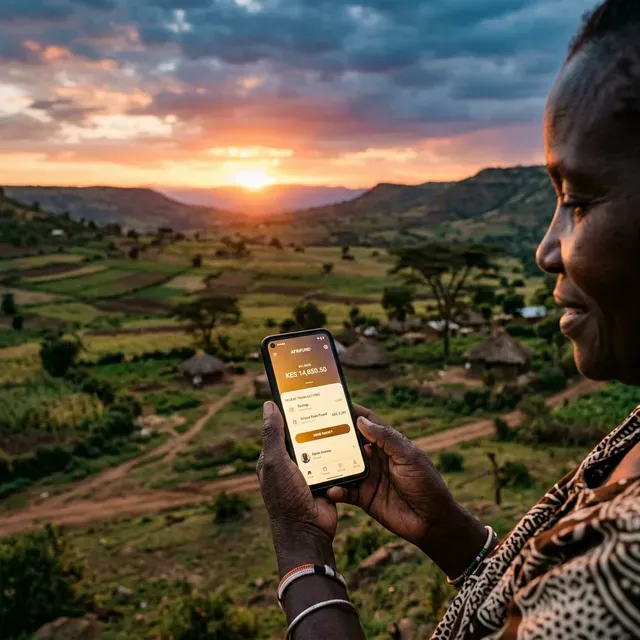
The Green Remittance: How Digital Rails Reduce the Carbon Footprint of Global Cash
When we think of carbon footprints, we usually think of flights, shipping containers, and coal-fired power stations. We rarely think about the environmental cost of money itself.
Physical cash, however, is a resource-intensive product. The paper and metals must be mined and harvested, printed in high-security facilities, and then transported in armored trucks to bank branches and ATMs. This logistical chain consumes substantial energy and fuel every single day.
For global remittances, the carbon footprint is even higher, as recipients often have to travel long distances by bus or motorcycle to collect cash from regional payout agents.
Wullut is building "Green Remittances" by replacing this physical infrastructure with digital-native, low-energy blockchain rails.
The Environmental Cost of Cash Logistics
Traditional remittance networks depend on a massive physical footprint:
- **ATM Infrastructure**: Running a global network of ATMs requires substantial electricity 24/7.
- **Physical Locations**: Brick-and-mortar money transfer agents require heating, cooling, and lighting.
- **Paper Receipts and Documentation**: Millions of paper receipts are printed every day for tracking.
- **Transport Emissions**: Armored vehicles burning diesel to move cash between vaults and payout centers.
By moving transactions to a mobile-first digital wallet, Wullut removes these logistical steps entirely.
Energy-Efficient Blockchain Settlement
In the past, blockchain technology was criticized for its high energy usage, primarily due to Bitcoin’s proof-of-work consensus.
Wullut's multi-chain engine is built on modern, eco-friendly proof-of-stake networks (such as Solana and Base). These networks use a fraction of the energy:
* **Minimal Energy Consumption**: A transaction on Solana consumes about the same energy as a Google search, and thousands of times less energy than a traditional credit card transaction.
* **Paperless End-to-End**: Invoices, receipts, and identity verification are managed digitally, saving trees and reducing waste.
* **No Travel Required**: Recipients receive money directly in their digital wallets, eliminating the need to travel to a physical agent.
The Sustainable Future of Finance
By reducing transaction friction, we also reduce environmental friction. Wullut shows that financial inclusion and ecological sustainability can go hand-in-hand, proving that the most efficient way to transfer money is also the greenest.